Legal Defenses Available to Uninsured Drivers After a Serious Accident
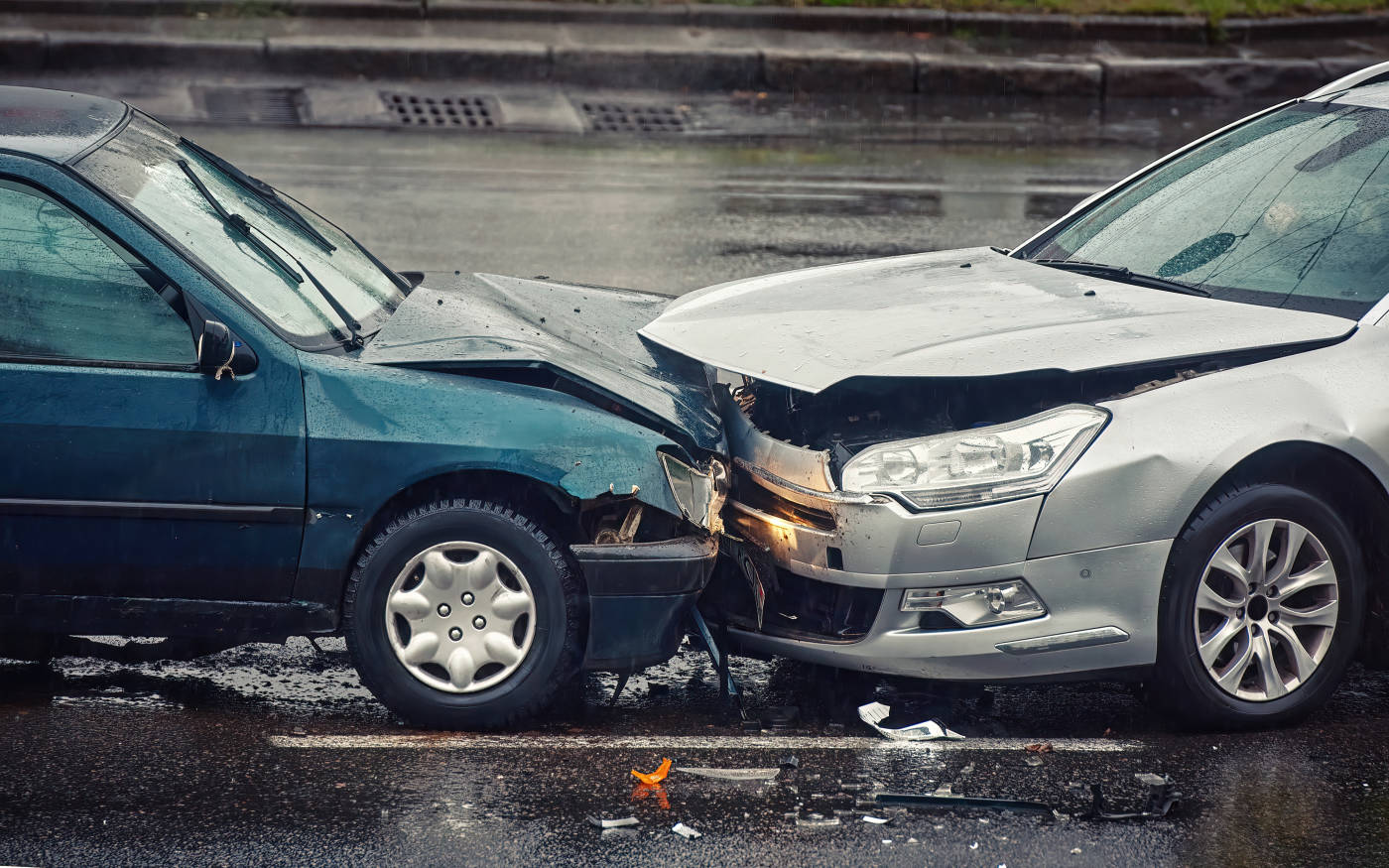
Driving without insurance does not automatically make you legally responsible for a Texas accident. You may still dispute negligence, show that another person contributed to the crash, challenge whether the collision caused the claimed injuries, and contest unsupported damages. However, being uninsured can create separate penalties and leave your personal assets exposed if a court enters a judgment against you.
At Garcia & Ramires, PLLC, we represent individuals facing civil disputes throughout the Dallas-Fort Worth area. We review accident evidence, evaluate liability and damages, respond to claims, and help clients consider settlement or litigation options. Call us to schedule a free consultation and discuss your circumstances before responding to a demand or lawsuit.
Texas generally requires motorists to maintain proof of financial responsibility, commonly through automobile liability insurance. Violating that requirement may result in a separate offense and other consequences under the Texas Motor Vehicle Safety Responsibility Act. It does not, by itself, establish who caused an accident.
The injured person must still prove that you owed a legal duty, breached that duty, and caused compensable harm. A police officer may cite you for lacking insurance while concluding that another driver caused the collision. Similarly, receiving a citation for a traffic violation does not necessarily resolve every question of civil liability.
Texas Rule of Evidence 411 generally prohibits using the presence or absence of liability insurance to prove that someone acted negligently or wrongfully. Insurance evidence may sometimes be admitted for another purpose, such as proving disputed ownership, control, agency, or witness bias. Instead, the court will determine admissibility based on how the evidence is being offered.
The first potential defense is that the evidence does not establish that you acted negligently. A claimant’s description of the crash is not automatically conclusive, especially when physical evidence, independent witnesses, or electronic records tell a different story.
Relevant evidence may include vehicle damage, photographs of the accident scene, traffic-camera recordings, surveillance footage, witness statements, skid marks, weather conditions, road design, vehicle-event data, and mobile-device records. That evidence may show that the other driver failed to yield, changed lanes unsafely, followed too closely, ignored a traffic signal, or otherwise caused the collision.
You should preserve photographs, messages, repair records, dashcam files, and other accident-related materials. Do not alter or delete evidence after receiving a demand letter or learning that litigation is likely. Missing evidence may make it harder to present your version of events and could create additional problems in court.
Texas uses a proportionate-responsibility system, which may assign percentages of responsibility to the claimant, defendants, settling parties, and other responsible persons. If the injured person is found more than 50% responsible, that person generally cannot recover damages.
However, if the claimant is 50% or less responsible, their compensation award will be reduced by the claimant’s percentage of responsibility. For example, a claimant awarded $100,000 but found 30% responsible would generally recover $70,000 before other applicable adjustments.
Comparative responsibility is not established through a general accusation that the other driver was careless. It requires evidence connecting particular conduct to the collision. At Garcia & Ramires, PLLC, our Texas defense litigation attorneys can help examine traffic laws, witness accounts, vehicle positions, and other records to determine whether the claimant should bear some responsibility.
Fault allocation can also affect whether you are responsible for another defendant’s share. Texas law generally limits a defendant’s responsibility to that defendant’s percentage, although joint-and-several liability may apply in specified circumstances. The parties, claims, and assigned percentages must be reviewed before estimating your potential exposure.
Responsibility may also rest partly with someone who was not driving either vehicle. An employer, vehicle owner, contractor, property owner, manufacturer, or government entity could be involved, depending on the facts.
Identifying every potentially responsible party matters because assigning fault only between the two drivers may produce an incomplete result. In some cases, responsibility may be assigned to defendants, settling parties, and other responsible persons properly submitted in the case.
Evidence concerning vehicle ownership, employment relationships, road conditions, defective components, or another party’s conduct may therefore serve as a primary basis of evidence for building a defense against all or part of the claim.
Even when some fault is established, the claimant must prove that the accident caused the injuries and losses for which compensation is requested. Liability for the collision does not require you to accept every medical bill or financial demand presented to you.
Medical records may reveal a preexisting condition, a later injury, a treatment gap, or disagreement about whether a procedure was related to the accident. A preexisting condition does not automatically defeat a claim, but the claimant generally must connect the damages sought to the collision or an accident-related aggravation.
Reviewing the timing of symptoms, medical histories, treatment records, and expert opinions may reveal whether particular injuries can reasonably be attributed to the accident.
The amount of damages may be disputed separately from fault and medical causation. Questions can arise about the necessity of treatment, lost-income calculations, future care, reduced earning capacity, property value, and whether supporting records are complete.
Reviewing those issues is not the same as denying that the person was hurt. It determines which losses the available evidence legally supports. A serious accident may involve substantial medical expenses, permanent impairment, lost earnings, pain, property damage, or wrongful-death allegations. Because these claims can create significant personal exposure for an uninsured driver, damages should be evaluated with the same care as fault.
Do not ignore correspondence from the injured person, an attorney, an insurance company, or a court. Failing to respond to a lawsuit within the applicable deadline may allow the claimant to seek a default judgment without a full trial.
If you have received a notice of a claim or lawsuit, preserve the accident evidence and organize the documents you receive. Avoid posting about the crash on social media or speculating about fault in texts, emails, or recorded statements. An apology or an attempt to be cooperative may later be presented without the surrounding context.
The injured person’s uninsured or underinsured motorist coverage may provide benefits, but that coverage does not necessarily protect you. An insurer that pays the claim may acquire rights to seek reimbursement from the responsible party. Don't assume the existence of another person’s insurance will eliminate your potential exposure.
A negotiated resolution may be possible in some cases. Settlement discussions may address disputed fault, the strength of the medical evidence, available assets, payment terms, and a written release of claims. Any agreement should clearly state what is being paid, which claims are resolved, and whether further collection efforts are prohibited.
At Garcia & Ramires, PLLC, our attorneys, Juan Manuel Garcia and Raul Cruz Ramires, are dedicated to providing legal representation for skilled defense litigation. If you are facing a claim after an uninsured accident, we can investigate the collision, review fault evidence, identify other responsible parties, evaluate causation and damages, respond to legal filings, negotiate with opposing parties, and represent you in court when necessary.
With offices in Arlington, Fort Worth, and Dallas, Texas, we serve clients throughout the Greater Dallas-Fort Worth area. Contact us today to schedule a free consultation and discuss the defenses, financial risks, and possible resolutions relevant to your case.