Being Sued After Your Child Causes an Accident While Excluded from Your Insurance Policy
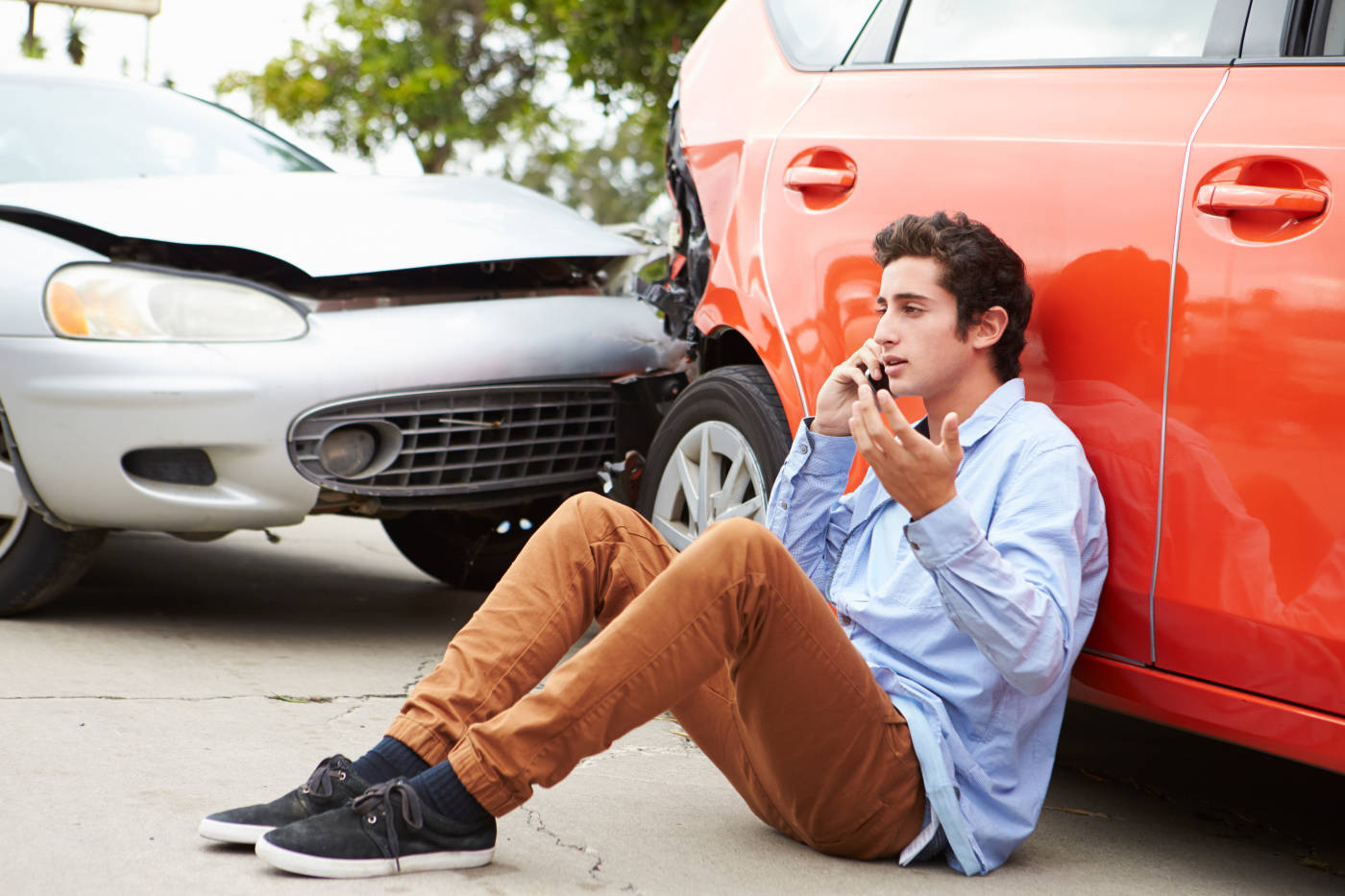
If your child causes an accident in Texas while excluded from your automobile policy, your insurance carrier may deny coverage. However, the exclusion does not automatically make you personally liable for the resulting damages. Your exposure will depend on whether the exclusion is valid, whether you entrusted the vehicle to your child, who was responsible for the collision, and which damages the evidence supports.
At Garcia & Ramires, PLLC, we represent individuals and families facing civil claims by reviewing insurance documents, vehicle ownership records, evidence of permission, accident liability, and claimed damages to determine which defenses may apply. If your child has caused an accident while excluded from your auto insurance policy, contact us before responding to a demand or lawsuit. With offices in Arlington, Fort Worth, and Dallas, Texas, we serve clients throughout the Dallas-Fort Worth area.
A named-driver exclusion removes coverage for a particular person when that person operates an insured vehicle. If your child is validly excluded and causes an accident while driving your vehicle, the insurer may refuse to pay the resulting claim or provide a legal defense. The policy and exclusion endorsement will determine the scope of the denial.
Texas permits named-driver exclusions but imposes specific requirements. Under Texas Insurance Code § 1952.353, the exclusion must specifically name each excluded driver rather than exclude an entire class of drivers, and the named insured must accept it in writing.
In the event of an accident, review your policy, declarations page, application, endorsements, renewal documents, and signed exclusions to determine whether the correct person was named, whether the policyholder accepted the exclusion in writing, whether it was effective on the accident date, and whether the insurer is applying it within its stated terms.
Being the driver’s parent does not, by itself, establish liability for an automobile accident. The injured party must first identify a legal basis for holding you responsible rather than pursuing only the driver.
One possible claim is negligent entrustment. A claimant may allege that you owned or controlled the vehicle, allowed your child to use it, and knew or should have known that your child was unlicensed, incompetent, or reckless. The claimant must also connect that entrustment and your child’s negligent driving to the accident.
Your child’s license status, driving experience, accident history, traffic violations, and prior unsafe conduct may also be reviewed. However, one driving mistake does not necessarily prove that your child was generally incompetent or reckless or that you knew of such a condition.
Texas also has a strict parental liability statute for addressing certain property damage caused by a child. Its application depends on your child’s age and conduct, your duty of control and discipline, and the type of damages sought. It does not create automatic parental liability for every injury caused by a minor. If your child was an adult, the family relationship alone does not make you responsible for their driving.
A negligent entrustment claim requires evidence that you supplied the vehicle or permitted your child to use it. If your child took the keys without permission, violated an express prohibition, or drove without your knowledge, you may be able to dispute whether an entrustment occurred.
Evidence may include text messages, household driving rules, prior warnings, the location of the keys, and testimony from family members. A statement that your child lacked permission may carry less weight if the child regularly drove the vehicle with your knowledge.
The exclusion itself does not prove permission. It may establish that the insurer and policyholder identified your child as excluded, but it does not determine whether you allowed your child to drive on the day of the accident.
Vehicle ownership also matters. The title, registration, purchase records, loan documents, and actual right of control may affect who can be sued. If your child independently owned and controlled the vehicle, your connection to a separate household policy may not establish liability.
The injured party must prove who caused the collision even if no insurance coverage applies. Your child may dispute allegations that they failed to yield, followed too closely, changed lanes unsafely, or violated another traffic rule.
Gather relevant evidence, such as photographs of the accident scene, video recordings, witness statements, traffic-signal information, vehicle damage, road conditions, and event-data records, that identify whether the claimant or another driver was at fault for the accident.
Under Texas's proportionate-responsibility rule, a claimant who is more than 50% responsible generally cannot recover damages. If the claimant is 50% or less responsible, the recovery is generally reduced by that percentage.
The injured party will also need to provide proof for any injuries or financial losses. Medical records may reveal preexisting conditions, treatment gaps, later accidents, or questions about whether particular care resulted from the collision. Lost income, future treatment, reduced earning capacity, property damage, and other losses must be supported by evidence.
A denial under your policy does not necessarily establish that no coverage exists. Your child may have a separate automobile or operator’s policy, or coverage may apply through another vehicle or policy connected to the accident.
The injured party may also seek benefits through uninsured or underinsured motorist coverage. However, that claim does not necessarily eliminate your exposure. An insurer that pays benefits may acquire the right to seek reimbursement from a legally responsible party.
Every potentially applicable policy should be identified and notified promptly. Insurance contracts contain notice and cooperation requirements, and delayed reporting can create additional coverage disputes.
Notify your insurer in writing even if you expect it to deny coverage. Request a written coverage decision identifying the policy terms on which the insurer relies. Preserve evidence, including the damaged vehicle, photographs, messages, driving records, exclusion documents, and evidence concerning permission. Avoid posting about the accident online, deleting communications, or making speculative statements about fault.
Do not ignore court papers. A Texas lawsuit carries a response deadline, and missing it may allow the claimant to seek a default judgment. A proposed settlement may address disputed fault, payment terms, and a release of further claims, but the agreement should clearly identify the people and claims it covers.
At Garcia & Ramires, PLLC, our attorneys, Juan Manuel Garcia and Raul Cruz Ramires, help individuals and families respond to lawsuits arising from serious accidents. If your child caused an accident while excluded from your auto insurance policy, we can review the named-driver exclusion, investigate ownership and permission, evaluate entrustment allegations, contest unsupported fault or damages, negotiate proposed resolutions, and represent you in court.
With offices in Arlington, Fort Worth, and Dallas, Texas, we serve clients throughout the Greater Dallas-Fort Worth area. Contact us today to schedule a free consultation and discuss the insurance issues, allegations, and defenses relevant to your case.